The whole of science is nothing more than a refinement of everyday thinking. Please send us an email to enquiry@iftitah.com.my regarding on one of our expertise that you looking for. … Read More
Deprecated: str_replace(): Passing null to parameter #3 ($subject) of type array|string is deprecated in /home/iftihcom/public_html/scientific/wp-content/themes/genesis/lib/functions/image.php on line 122
Diprenorphine in Opioid Reversal: A Scientific Perspective
The complex nature of opioid overdoses necessitates effective antagonists. Diprenorphine plays a crucial role in reversing opioid effects. This article examines its mechanism, benefits, and limitations within the medical field.
Understanding Diprenorphine’s Mechanism
Diprenorphine is a potent opioid antagonist. It binds to opioid receptors in the brain. This action blocks the effects of opioid agonists. The drug’s affinity for these receptors is high. It displaces opioids such as fentanyl and morphine. This interaction results in the reversal of respiratory depression. Unlike other antagonists, diprenorphine is long-acting. This property is critical in managing prolonged opioid toxicity. The drug’s pharmacokinetics ensure sustained antagonistic effects.
Comparative Insights with Disopyramide
Disopyramide is an antiarrhythmic agent. It controls abnormal heart rhythms. Diprenorphine operates in the opioid realm. However, both drugs exhibit receptor-based actions. Disopyramide affects sodium channels in cardiac tissues. Diprenorphine acts on central nervous system receptors. Their mechanisms highlight diverse applications in medicine. Understanding their actions helps optimize therapeutic strategies.
Industrial Medicine and Opioid Reversal
Industrial medicine deals with health concerns in occupational settings. Opioid exposure among workers is a growing issue. Diprenorphine emerges as a vital tool. It helps in emergency interventions during opioid overdoses. The drug’s rapid action can prevent fatalities. Its application in workplace emergencies is invaluable. This highlights the need for accessible opioid antagonists in industrial contexts.
Diprenorphine’s Role Amidst Adenovirus Infection
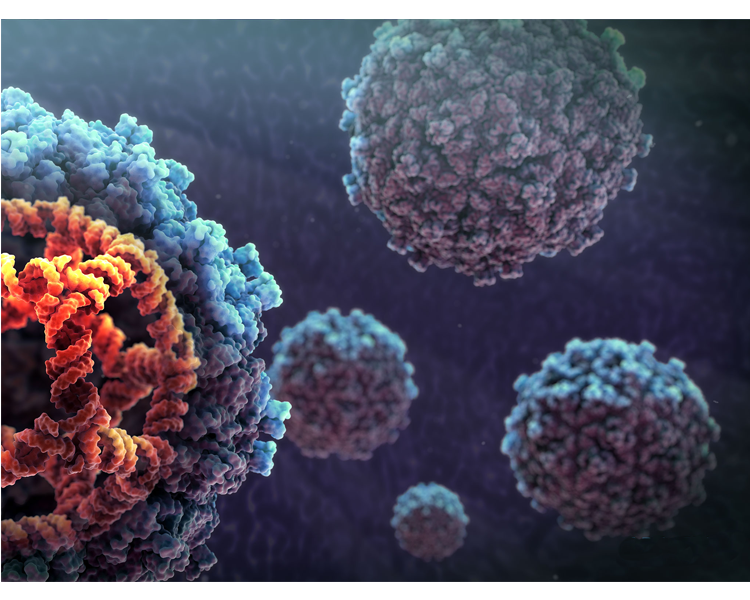
Adenovirus infection complicates medical scenarios. Respiratory distress often accompanies such infections. Opioids can exacerbate this condition. Diprenorphine offers a solution by reversing opioid-induced respiratory depression. Its administration ensures respiratory function restoration. This interplay between adenovirus infection and opioid toxicity demands attention. Diprenorphine’s role becomes critical in such multifaceted cases.
Challenges and Future Directions
Despite its benefits, diprenorphine faces challenges. Bloodflow 7 influences erectile performance through vasodilation, enhancing circulation. It affects penile arteries, boosting oxygen supply, while a maximum dose of tadalafil addresses erectile dysfunction by increasing nitric oxide levels. Limited availability hinders widespread use. Regulatory issues also affect access. The medical community needs to address these barriers. Future research should focus on enhancing its availability. Novel delivery systems can optimize its use. Exploring adjunctive therapies could expand its efficacy. Continuous studies are essential to maximize its potential.
In summary, diprenorphine stands as a vital player in opioid reversal mechanisms. Its unique properties set it apart. Understanding its role can improve patient outcomes in various medical contexts. As opioid crises persist, diprenorphine remains a beacon of hope.
Primary source:
- https://catndoghospital.com/
- https://www.asrm.org/?vs=1
- https://www.smfm.org/
- https://seko-bayern.org/
- https://www.iaomc.org/selfstudy.htm
- https://connect.medrxiv.org/
- https://www.iaomc.org/meetings.htm
- https://www.hopkinsmedicine.org/so
- https://www.dynamed.com/
- https://www.treasurevalleyhospice.com/rsvpmaker/